

. . . “Whate’er you think, good words, I think, were best” (King John)I’ve been thinking a lot about words recently. That’s hardly surprising, I hear you say, given that I’m a writer currently studying other writers. But I’m talking about words per se, rather than as the building blocks of prose, poetry and drama. A few things prompted this.
Thanks to Twitter I saw the results of a
quest to identify the ‘best’ word in the English language. Sadly I can’t find this
now but I remember disagreeing with the results. Given the number to choose
from (the Oxford English Dictionary contains full entries for 171,476 words in
current use and 47,156 obsolete ones) I would be surprised if consensus can
ever be achieved. Bravo to anyone for even trying, though.
The BBC's Scottish news one morning told of delays
on the Whifflet railway line. My husband admitted that despite being a Scotsman
he didn’t know where Whifflet is and, worse still, he couldn’t understand why I
was so taken with the name. I googled it, and discovered Whifflet is a part of
Coatbridge to the east of Glasgow
Finally, last week I entered a writing competition which required a short poem or story about a made-up word. I might
have passed on this, had it not reminded me of a word I occasionally use which
came out of a conversation with my husband about where I get my story ideas
from (yes, that old chestnut). ‘They come from my imagination, I just make them
up’ met with the response ‘There must be more to it than that, or we’d all be
able to write’. I admitted I don’t understand quite how my imagination does what it does, and John’s response was ‘See?
It’s magic.’ And that was how ‘imagication’ came about. I wrote a poem
about this which won’t get anywhere (I’m no poet) but it was fun to do.

All this recalled an interesting exercise I
did as part of the Open University’s A215 Creative Writing course a couple of
years ago. After writing the letters of the alphabet in a column, we had to
write two words against each letter: one that we liked because of its sound,
the other because of its meaning. Then we had to go down the list circling our
preference in each pair of words. So, for example, against ‘L’ I put ‘luminous’
(sound) and ‘laughter’ (meaning). Luminous was my favourite.
The course manual revealed a fascinating fact:
nearly everyone will exhibit a marked preference for one aspect – sound or
meaning – over the other. It’s very rare to find an even split. My results bore
this out: I clearly (25 out of 26 words) appreciated words more for their sound
than their meaning.
Does this influence my writing? Perhaps, in
a subliminal way. I suspect, though, that it’s more likely to have an impact on
my reading and appreciation of others’ writing, especially poetry. It certainly
didn’t help my attempts to write poetry, which was the stated aim of the
exercise.
Have a go yourself and see what aspect of
words – their sounds or their meanings – you prefer. Then leave a comment below or tweet me - @janetokane - to
say how you get on and if the result surprised you or confirmed what
you already knew.
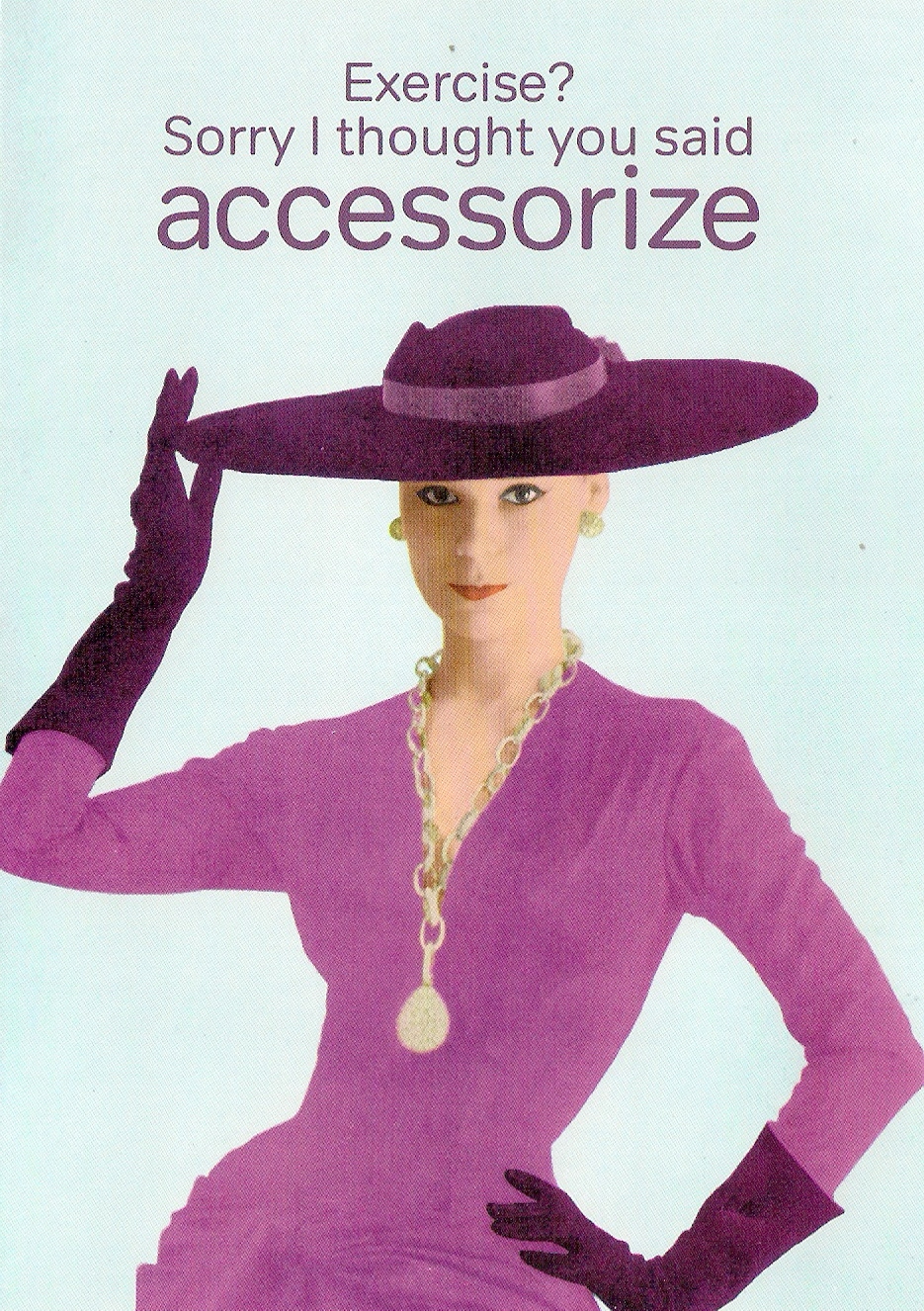
And finally, to demonstrate the importance of words:
Acknowledgements:
Images from freedigitalphotos.net
Accessorize greetings card from cathtatecards.com


